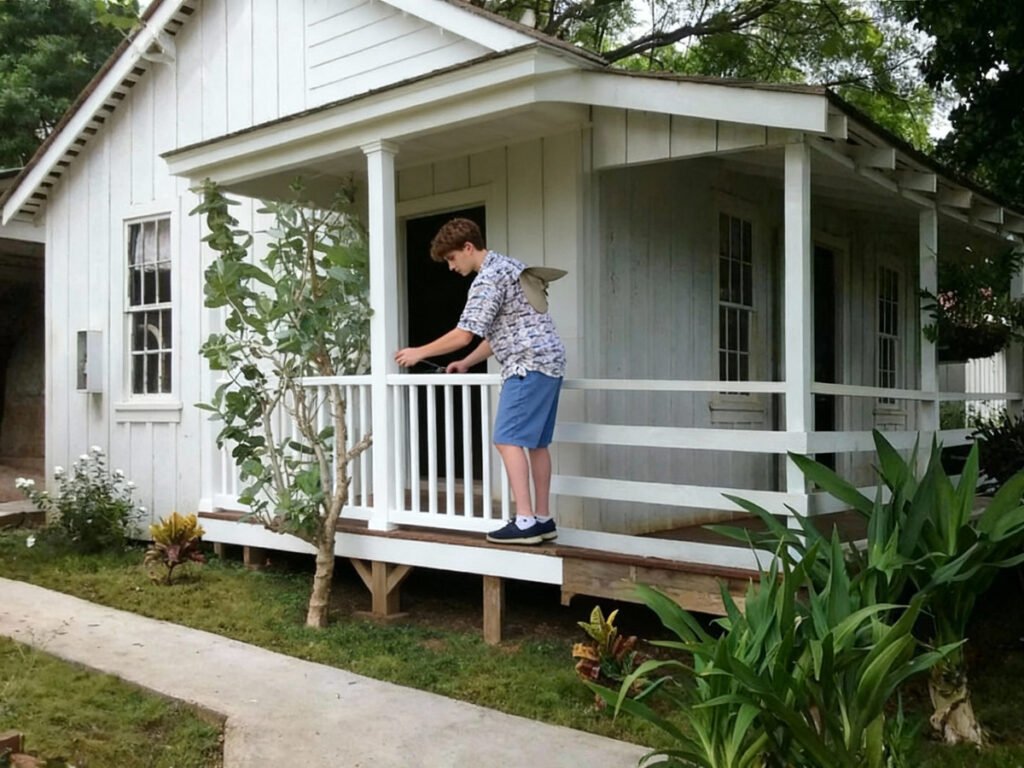
The Portuguese House in Hawaiʻi – A Living Reminder of Our Island Heritage
The Importance of the Portuguese House at Plantation Village
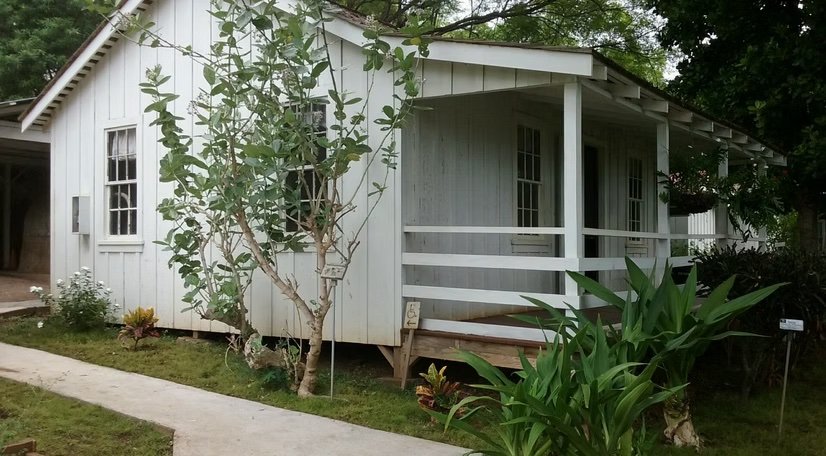
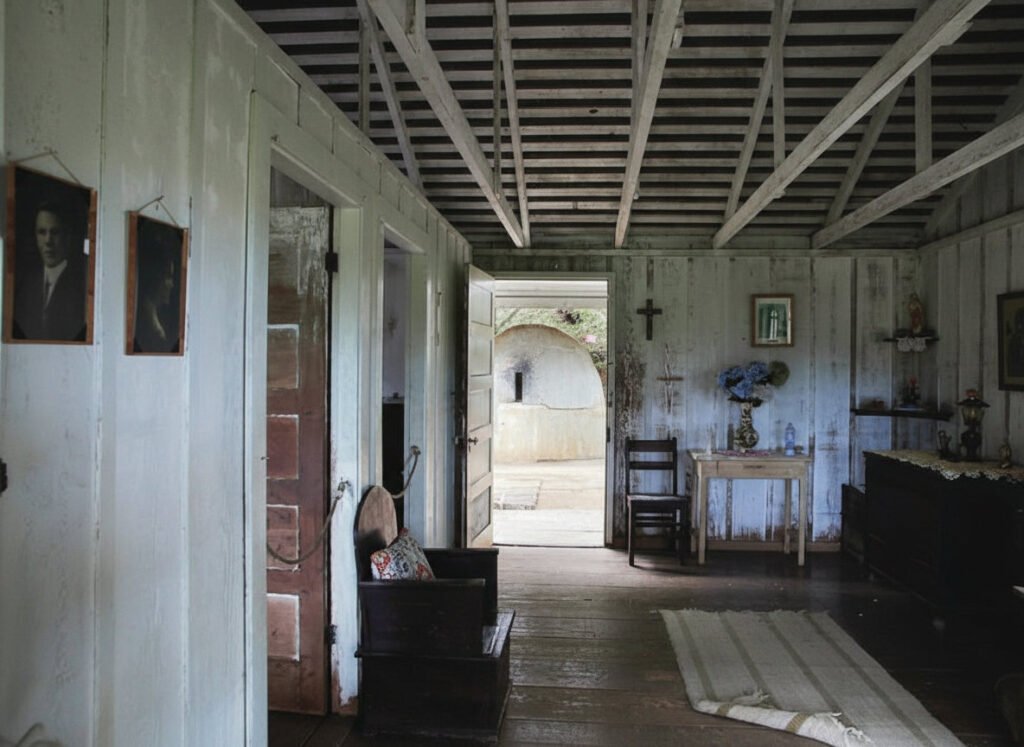
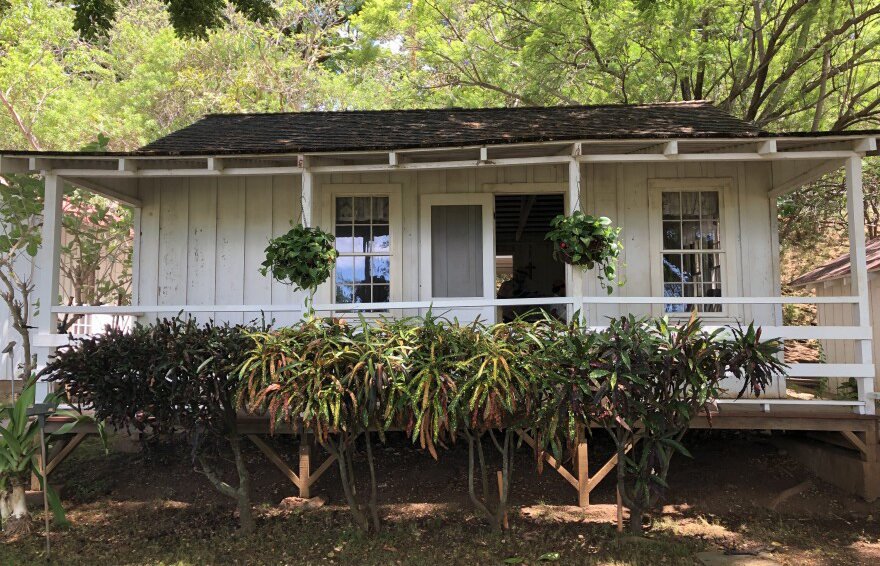
The Portuguese House stands as one of Hawaiʻi’s rare surviving symbols of early Portuguese immigrant life. Built in the plantation era, homes like this were once common across the islands, sheltering families who came from Madeira and the Azores to work on Hawaiʻi’s growing sugar industry in the late 1800s. Simple in design but rich in meaning, the structure reflects the hardworking, family-centered lifestyle of Portuguese immigrants—complete with a small lanai, wooden siding, and modest rooms that once echoed with stories, music, and the rhythms of daily plantation life.
For many families, homes like this were their first foothold in Hawaiʻi, representing both struggle and opportunity. They raised children here, shared traditional foods, played island-Portuguese music, and blended their customs with Hawaiian culture, helping shape the unique multicultural identity of Hawaiʻi today. The Portuguese House is more than a building—it is a living testament to the resilience, faith, and community spirit of those who helped build the foundations of modern Hawaiʻi.
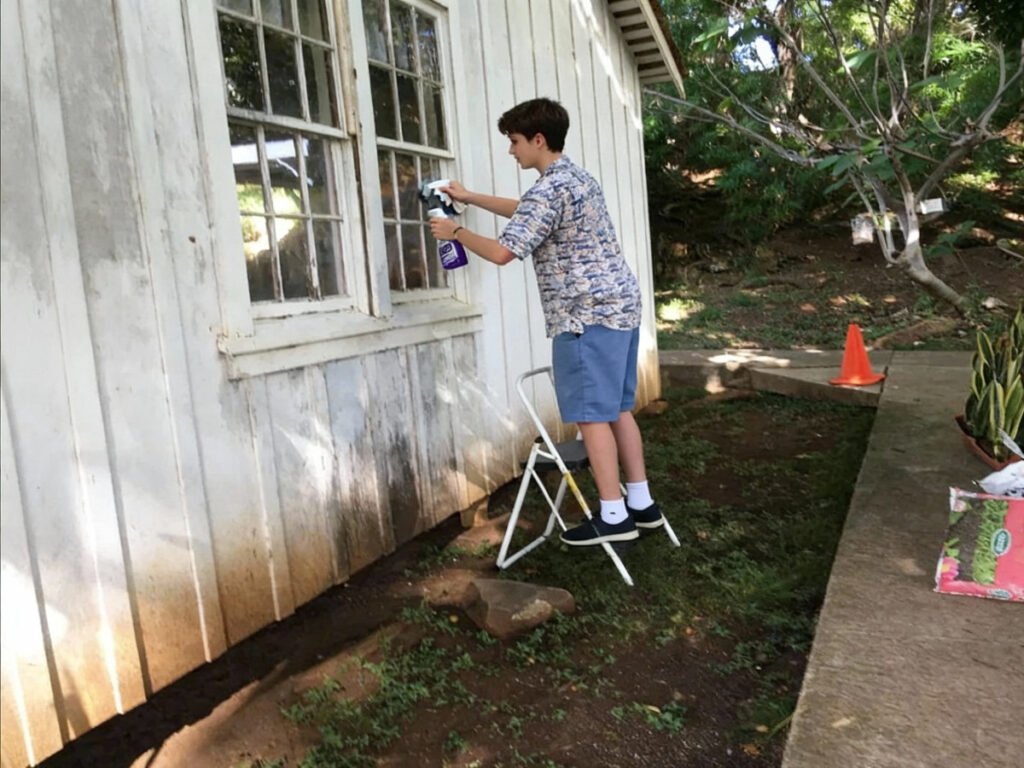
Today, this historic home continues to stand because of dedicated stewards who recognize its cultural importance. As part of the Portuguese Culture & Historical Center’s mission, volunteers visit monthly to clean, maintain, and rehabilitate the house, ensuring that it remains preserved for future generations. Their work honors the memory of the families who once lived in houses just like this and keeps alive the legacy of Portuguese contributions to Hawaiʻi.
The Portuguese House remains a place of pride—a reminder of where our ancestors stood, how they lived, and the roots that continue to guide our community today.