
Culture of Madeira
Madeira Island: Discover the Culture of Madeira
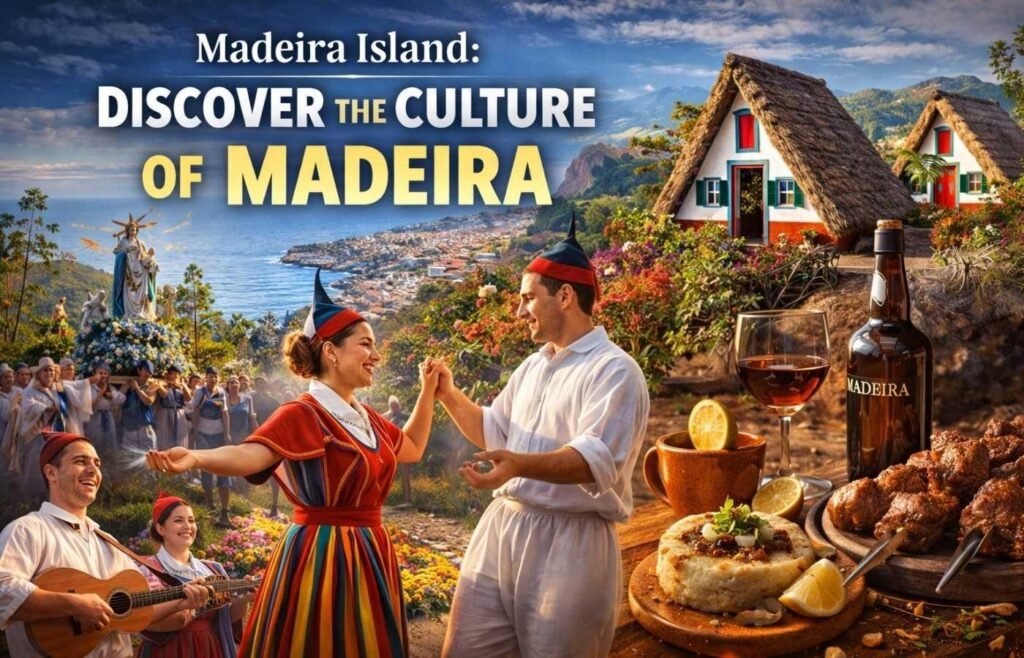
The phrase “culture of Madeira” evokes the rich, distinct traditions of the Portuguese island of Madeira. Madeira’s culture blends mainland Portuguese roots with island-specific adaptations shaped by maritime life, agriculture, religion, and centuries of contact with sailors and immigrants. Key elements include music and dance, cuisine and wine, religious festivals, crafts, and rural practices tied to the island’s steep terrain.
Music, dance and folklore
Traditional Madeiran music features instruments such as the braguinha (a small four-string guitar), machete and rajão. The local dance forms—often energetic circle and couple dances—appear at community events and festivals. Folk ensembles wear regional costumes and perform songs and dances that celebrate farming cycles, sea life and religious feasts.
Festivals and religion
Catholic festivals punctuate the year: patron saint days, the Flower Festival (Festa da Flor) in spring, Carnival with colorful parades, and the Feast of the Lord of the Miracles. Processions, church services, and communal meals are central, and religious devotion remains a strong cultural thread, especially during events like the wine festival.
Cuisine and drinks
Madeiran cuisine emphasizes seafood, island vegetables, and breads, often accompanied by the renowned fortified wine from Madeira. Signature items include bolo do caco (garlic flatbread), black scabbardfish (espada) often served with banana, milho frito (fried polenta), and espetada (meat skewers cooked over wood). Madeira is world-famous for its fortified Madeira wine, a centuries-old export that shaped the island’s economy and hospitality culture, drawing visitors to its annual wine festival. Poncha, a local drink made from aguardente de cana, honey, and lemon, is a popular regional specialty.
Crafts, architecture and landscapes
Artisan crafts include embroidery, wickerwork, and wood carving. Traditional Santana houses with triangular thatched roofs are iconic images of the island, reminiscent of the architecture found on Madeira Island. The levadas—an extensive network of irrigation channels and walking paths across steep terrain—are both functional agricultural infrastructure and a cultural landmark tied to how islanders shaped and traversed their landscape.
Community and identity
Madeirans emphasize family, community gatherings, and hospitality. Music, food, and faith reinforce a strong local identity that coexists with Portuguese national culture and maritime connections forged through emigration and trade.
How Madeiran settlers came to Hawaii
In the late 19th century, Hawaii’s expanding sugar industry needed large numbers of laborers. Beginning in 1878, Hawaiian sugar planters and brokers recruited contract workers from several regions, including the Portuguese islands of Madeira and the Azores. Economic hardship on the islands, population pressures, and the promise of paid work prompted many Madeirans to emigrate from the volcanic landscapes of their homeland.
Recruitment and voyage
Recruitment was organized through agents who contracted laborers for multi-year terms on Hawaiian plantations. Entire families and single laborers boarded transatlantic and transpacific vessels for a long journey to Hawaii, often fleeing the economic hardships of Portugal. The immigrants often traveled first to eastern ports and then by ship across the Americas or directly across the Pacific, depending on the route available at the time.
Numbers and timeline
From the late 1870s through the early 20th century, thousands of Portuguese immigrants, particularly from Madeira Island, arrived in Hawaii. While many newcomers came from the Azores, a significant number were Madeirans from the city of Funchal. These immigrants joined other labor groups—Chinese, Japanese, Filipinos, Koreans, and native Hawaiians—on the plantations, contributing labor, skills, and culture.
Cultural impact in Hawaii
Madeiran and broader Portuguese influences remain visible in Hawaiian society:
- Music and instruments: Portuguese string instruments and musical styles contributed to the development of the ukulele and local musical traditions.
- Food: Breads, cakes, and sweets, as well as dishes prepared in Portuguese styles, became part of Hawaii’s culinary mix.
- Religion and festivals: Portuguese Catholic practices, feast day celebrations, and social clubs helped sustain community ties and shaped local religious life.
- Surnames and family networks: Portuguese family names and multi-generational communities persist in Hawaii, reflecting the lasting immigrant presence from the archipelago of Madeira.
Adaptation and legacy
Madeiran settlers adapted to plantation life, urban opportunities, and interethnic communities. Over generations they integrated into Hawaii’s multicultural society while retaining cultural practices—music, food, religion, and family traditions—that continue to be celebrated today. The story of Madeiran emigration to Hawaii is part of the larger narrative of transoceanic migration that shaped modern Hawaiian demographics and culture.
Conclusion
The culture of Madeira is a vibrant mix of music, food, faith, and island customs rooted in centuries of Portuguese island life. When Madeirans emigrated to Hawaii in the late 19th and early 20th centuries, they brought those cultural elements with them, contributing to Hawaii’s diverse cultural landscape and leaving a legacy that endures in music, cuisine, festivals, and family life.
The culture of Madeira reflects the island’s Portuguese roots, Atlantic geography, and centuries of seafaring, agriculture, and religious tradition. Often written and searched as “culture of Madeira,” Madeira’s living culture blends folk music and dance, strong Catholic festivals, culinary specialties, artisan crafts, and the islanders’ connection to the sea and mountains.
Language and identity
Portuguese is the official language, and regional speech, proverbs, and family names mark a distinct Madeiran identity. Local pride is expressed in folk groups, historical memory, and preservation of rural customs.
Music and dance
Traditional music includes the bailinho da Madeira and other folk tunes played on guitars and rajão- and braguinha-like instruments. Dances are often performed by folklore ensembles in colorful costumes at festivals and community events.
Festivals and religion
Catholicism shapes the annual calendar: saints’ days, processions, and pilgrimages are common, particularly during the wine festival season. Major public celebrations include the Flower Festival (Festa da Flor), Carnival, and spectacular New Year fireworks in Funchal. These events mix religious observance with popular pageantry, music, and street life.
Cuisine
Madeiran cuisine emphasizes seafood, beef skewers (espetada), garlic and laurel seasoning, and local breads such as bolo do caco. Madeira wine and sugarcane products historically drove the island economy and continue to be cultural icons. Simple, flavorful dishes often reflect mountain and coastal produce.
Crafts and materials
Local crafts include embroidery, wickerwork, knife making, and wood carving, often inspired by the volcanic landscapes of Madeira. Traditional markets and artisans preserve techniques passed down through families, supplying both daily needs and souvenirs for visitors, including items related to Madeira’s rich culture.
Landscape and lifestyle
The island’s steep terraces, levadas (irrigation channels), and smallholder farms shaped a cooperative, resilient rural culture. Fishing villages, levada-walking traditions, and mountain celebrations emphasize connection to landscape and seasonal cycles.
How Madeiran settlers came to Hawaii
In the late 19th century many Portuguese emigrants from Madeira (and the Azores) were recruited to work in Hawaii’s growing sugar industry. Economic hardship, limited land, and the promise of steady wages motivated migration. Plantation owners and recruiting agents arranged labor contracts and trans-Pacific passages, and significant arrivals occurred from the 1870s through the early 1900s.
Reason for migration
- Economic push factors in Madeira: limited farmland, poverty, and few opportunities for young families.
- Pull factors in Hawaii: demand for plantation labor on sugar plantations and the promise of employment under contract terms.
Arrival and settlement
Madeiran immigrants traveled by ship to Hawaii under multi-year labor contracts, contributing to the sugar cane industry that thrived on the islands. They settled primarily on the islands of Oahu, Maui, Molokai, and Kauai, working on sugar plantations, but many later left the fields to become small business owners, farmers, or tradespeople. Over time they integrated with other ethnic groups while preserving Portuguese customs, particularly those from Madeira Island.
Contributions to Hawaiian culture
- Culinary: Portuguese foods such as malasadas (fried dough), sweet breads, and sausage became woven into Hawaiian cuisine.
- Music: Small Madeiran string instruments (machete/braguinha) influenced the development of the ukulele, now iconic in Hawaiian music.
- Religious and community life: Catholic churches, festas, and social clubs established by Portuguese settlers remain part of Hawaii’s cultural mosaic.
- Language and surnames: Portuguese words, place names, and family names entered the local lexicon, and many Hawaiian families today trace ancestry to Madeira.
Legacy
The Madeiran migrants helped shape Hawaii’s multicultural society. Their traditions—food, music, religious festivals, and workmanship—blended with Native Hawaiian, Filipino, Japanese, Chinese, and other immigrant cultures to form the diverse cultural landscape of modern Hawaii.
Keywords: culture of Madeira, Madeira culture, Madeiran settlers in Hawaii, Portuguese in Hawaii, and the wine festival celebrated by the local community.