
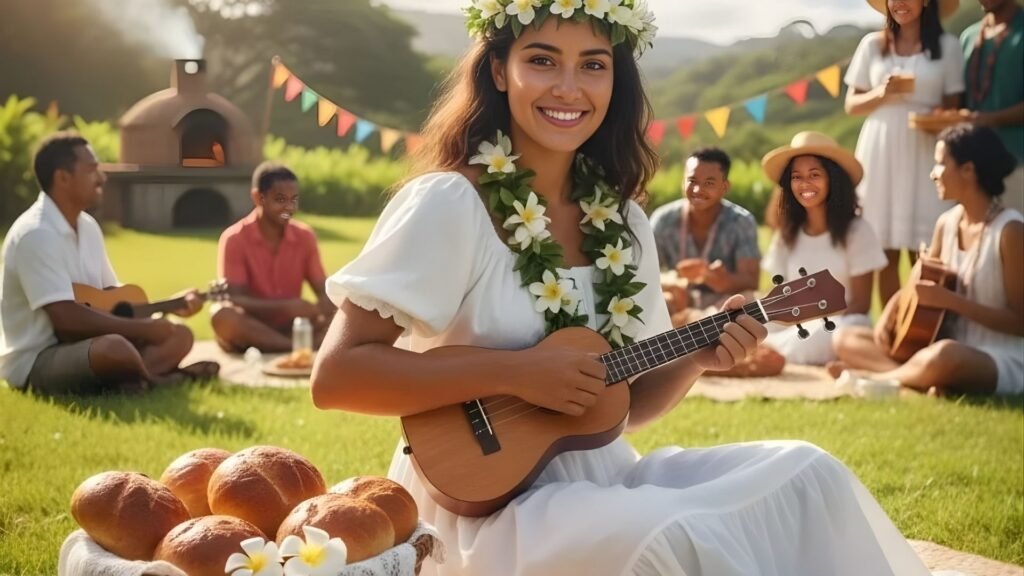
Unpacking the Portuguese Gifts to Hawaii’s Culture
Hawaii’s unique cultural landscape is a breathtaking mosaic, a vibrant blend of Polynesian heritage intertwined with contributions from Asia, the Americas, and Europe. Yet, among all the outside influences, one immigrant group left an indelible, delicious, and musical mark: the Portuguese. Arriving primarily from Madeira and the Azores in the late 19th century to work the sugar plantations, they brought with them traditions that not only endured but became synonymous with the “Aloha State.”
The Portuguese Culture & Historical Center (PCHC) in Hawaii stands today as the champion of this legacy. It is leading the charge to build a dedicated cultural institution to ensure that the origin stories behind the ukulele and pão doce—and countless other Portuguese traditions—are known, taught, and celebrated by the next generation of kama’aina (locals). Understanding the depth of this influence is key to appreciating the PCHC’s vital mission.
The Instrument of Joy: From the Machete to the Ukulele’s Viral Fame
When you hear the cheerful, tinkling sound of the ukulele floating on the Pacific breeze, you are listening to a piece of history that began thousands of miles away on the Portuguese island of Madeira. The story of the ukulele is arguably the most famous example of Portuguese cultural assimilation in Hawaii.
In 1879, four musical immigrants—Manuel Nunes, José do Espírito Santo, Augusto Dias, and João Fernandes—arrived in Honolulu aboard the clipper ship Ravenscrag. They brought with them the machete or braguinha, a small, four-stringed instrument popular in Madeira. The local Hawaiians were captivated by the quick movements of their fingers on the frets. Legend suggests that the fast-fretting musicians inspired the name “ukulele,” which translates literally to “jumping flea” in Hawaiian.
These four men quickly adapted their traditional craft to the local wood and environment, becoming the first commercial manufacturers of the new instrument. The ukulele became an immediate favorite of King Kalākaua, who promoted it among the royals and helped cement its place in Hawaiian music.
The PCHC’s Role in Musical History: The PCHC is committed to educating the public that the ukulele is a shared cultural asset. The proposed center would feature permanent exhibits showcasing these early instruments, telling the personal stories of the Madeiran craftsmen, and offering workshops on the machete and braguinha to highlight the instrument’s ancestral roots, ensuring the Portuguese contribution is permanently credited.
The Taste of Tradition: Why Hawaiian Bakeries are Sweetened with Pão Doce
Ask any local in Hawaii about their favorite comfort foods, and pão doce—Portuguese Sweet Bread—is guaranteed to be near the top of the list. This dense, slightly sweet, brioche-like loaf is a cultural cornerstone, served at Easter, Christmas, birthdays, and Sunday brunches across the islands.
When the Portuguese immigrants arrived, they brought their unique culinary traditions and baking methods. They introduced the concept of the outdoor brick oven, or forno, which was essential for baking their hearty breads. Pão doce evolved from traditional European sweet breads and found a perfect home in Hawaii, using local ingredients like cane sugar and dairy.
Similarly, Portuguese sausage, a spicy, smoky link known as linguiça or chouriço, became a ubiquitous breakfast item, often paired with rice and eggs in the classic “local boy” breakfast.
Preserving the Flavor of the Past: For the PCHC, preserving culture means preserving cuisine. Future activities at the center are planned to include:
- Culinary Workshops: Teaching the authentic methods of making pão doce and malasadas (Portuguese donuts).
- Recipe Documentation: Cataloging and digitizing ancestral family recipes that traveled from the Azores and Madeira.
- Cultural Food Events: Hosting markets and festas where these traditional foods can be prepared and shared, keeping the skills and flavors alive.
These efforts ensure that the community connection to their homeland remains palpable and delicious.
Keeping the Fires Burning: The Enduring Legacy of Festa and Faith
Beyond food and music, the Portuguese brought deeply held religious and community traditions, most notably the Holy Ghost Festival (Festa do Divino Espírito Santo). Originating in Portugal centuries ago, the Festa tradition involves a parade, a coronation of a Rainha (Queen), and a large community meal (often serving sopa or a beef stew) as a sign of charity and faith.
In Hawaii, these festas have been celebrated annually since the plantation era, serving as a vital gathering point that reinforced community identity and mutual aid (the kokua spirit). While the islands now have a vibrant mix of faiths, the Festa remains a cultural touchstone for many Portuguese-Hawaiian families.
The PCHC as the Central Hub: By promoting and organizing events like the annual Festa and community galas, the PCHC acts as a centralizing force for a geographically dispersed community. These events are not just parties; they are conscious acts of cultural heritage performance. The proposed center would provide a permanent, dedicated space for these large-scale celebrations, ensuring that traditions of faith, charity, and community gathering continue to thrive.
A Cultural Lighthouse: Investing in the Future of Hawaiian-Portuguese Identity
The Portuguese Culture & Historical Center is essentially building a cultural lighthouse—a permanent structure to guide future generations back to their heritage. They are striving to create a comprehensive repository of artifacts, documents, and oral histories.
This ambition requires community support, or kokua, as highlighted on their website. By becoming a member, donating, or volunteering, you are not just funding a building; you are:
- Protecting priceless historical documents about the Ravenscrag and Princesa voyages.
- Securing space for the next generation to learn the machete and bake pão doce.
- Ensuring the narrative of the Portuguese contribution is integrated into the broader story of Hawaii.
The journey from the Azores to Hawaii was epic. The journey to build a permanent cultural center is just as significant. Supporting the PCHC is the crucial step in guaranteeing that the sweet sound of the ukulele and the comforting taste of pão doce always carry the resonant, beautiful story of their Portuguese origins.