
The Sweetest Sound and the Sweetest Bread: Unpacking the Portuguese Gifts to Hawaii’s Culture
Hawaii’s unique cultural landscape is a breathtaking mosaic, a vibrant blend of Polynesian heritage intertwined with contributions from Asia, the Americas, and Europe. Yet, among all the outside influences, one immigrant group left an indelible, delicious, and musical mark: the Portuguese. Arriving primarily from Madeira and the Azores in the late 19th century to work the sugar plantations, they brought with them traditions that not only endured but became synonymous with the “Aloha State.”
The Taste of Tradition: Why Hawaiian Bakeries are Sweetened with Pão Doce
Ask any local in Hawaii about their favorite comfort foods, and pão doce—Portuguese Sweet Bread—is guaranteed to be near the top of the list. This dense, slightly sweet, brioche-like loaf is a cultural cornerstone, served at Easter, Christmas, birthdays, and Sunday brunches across the islands.
When the Portuguese immigrants arrived, they brought their unique culinary traditions and baking methods. They introduced the concept of the outdoor brick oven, or forno, which was essential for baking their hearty breads. Pão doce evolved from traditional European sweet breads and found a perfect home in Hawaii, using local ingredients like cane sugar and dairy.
Similarly, Portuguese sausage, a spicy, smoky link known as linguiça or chouriço, became a ubiquitous breakfast item, often paired with rice and eggs in the classic “local boy” breakfast.
Preserving the Flavor of the Past: For the PCHC, preserving culture means preserving cuisine. Future activities at the center are planned to include:
- Culinary Workshops: Teaching the authentic methods of making pão doce and malasadas (Portuguese donuts).
- Recipe Documentation: Cataloging and digitizing ancestral family recipes that traveled from the Azores and Madeira.
- Cultural Food Events: Hosting markets and festas where these traditional foods can be prepared and shared, keeping the skills and flavors alive.
These efforts ensure that the community connection to their homeland remains palpable and delicious.
Keeping the Fires Burning: The Enduring Legacy of Festa and Faith
Beyond food and music, the Portuguese brought deeply held religious and community traditions, most notably the Holy Ghost Festival (Festa do Divino Espírito Santo). Originating in Portugal centuries ago, the Festa tradition involves a parade, a coronation of a Rainha (Queen), and a large community meal (often serving sopa or a beef stew) as a sign of charity and faith.
In Hawaii, these festas have been celebrated annually since the plantation era, serving as a vital gathering point that reinforced community identity and mutual aid (the kokua spirit). While the islands now have a vibrant mix of faiths, the Festa remains a cultural touchstone for many Portuguese-Hawaiian families.
The PCHC as the Central Hub: By promoting and organizing events like the annual Festa and community galas, the PCHC acts as a centralizing force for a geographically dispersed community. These events are not just parties; they are conscious acts of cultural heritage performance. The proposed center would provide a permanent, dedicated space for these large-scale celebrations, ensuring that traditions of faith, charity, and community gathering continue to thrive.
A Cultural Lighthouse: Investing in the Future of Hawaiian-Portuguese Identity
The Portuguese Culture & Historical Center is essentially building a cultural lighthouse—a permanent structure to guide future generations back to their heritage. They are striving to create a comprehensive repository of artifacts, documents, and oral histories.
This ambition requires community support, or kokua, as highlighted on their website. By becoming a member, donating, or volunteering, you are not just funding a building; you are:
- Protecting priceless historical documents about the Ravenscrag and Princesa voyages.
- Securing space for the next generation to learn the machete and bake pão doce.
- Ensuring the narrative of the Portuguese contribution is integrated into the broader story of Hawaii.
The journey from the Azores to Hawaii was epic. The journey to build a permanent cultural center is just as significant. Supporting the PCHC is the crucial step in guaranteeing that the sweet sound of the ukulele and the comforting taste of pão doce always carry the resonant, beautiful story of their Portuguese origins.
The PCHC is not merely an organization; it is a movement striving toward a powerful dream—to build a permanent physical home in Hawaii that honors the history, preserves the culture, and inspires the future generations of kama’aina (locals/children of the land) with Portuguese ancestry. Their mission is a crucial act of cultural preservation, ensuring that the contributions of their ancestors remain vibrant and relevant in the 21st century.
The Great Exodus: Why Portuguese Settlers Sailed to the Sandwich Islands
The presence of Portuguese in Hawaii is rooted in the burgeoning sugar cane industry of the late 19th century. Following the American Civil War, Hawaii’s plantation owners faced a labor shortage. The Kingdom of Hawaii, through an agreement with the Portuguese government, began recruiting workers from the economically struggling islands of Madeira and the Azores. These workers were promised a better life and were considered highly desirable due to their familiarity with tropical agriculture and European traditions.
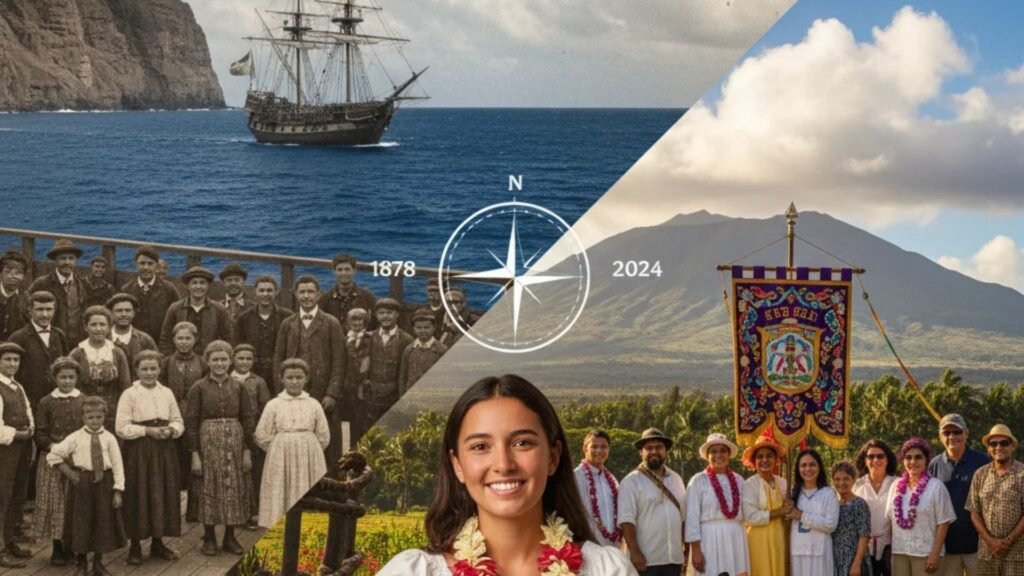
The first major ship of immigrants, the Princesa (Princess), arrived in 1878, bringing over 120 families. This marked the beginning of a sustained immigration wave that saw tens of thousands of Portuguese make the harrowing voyage to the Sandwich Islands (as Hawaii was then known). These immigrants became the backbone of the plantations, bringing with them unique traditions, a strong work ethic, and a Catholic faith that quickly integrated into the island communities.
While they faced hardships and discrimination, the Portuguese community endured, eventually leaving the plantations to establish farms, ranches, and small businesses. Their historical contribution is undeniable, leading to some of the most recognizable cultural hallmarks of modern Hawaii. This history—of resilience, migration, and integration—is the core narrative the PCHC is committed to documenting and sharing with the world.
More Than Pão Doce: Weaving Portuguese Culture into the Hawaiian Fabric
The Portuguese legacy in Hawaii extends far beyond their labor contributions; it is deeply woven into the local culture. Consider the ukulele. Though often mistaken as a purely Hawaiian instrument, its ancestor is the machete (or machete de braga), a small four-stringed guitar brought to Hawaii by Madeiran immigrants. Three men—Manuel Nunes, José do Espírito Santo, and Augusto Dias—are credited with adapting the instrument, giving birth to the ukulele (literally “jumping flea,” perhaps referencing the quick movement of the player’s fingers).
Another essential element is Portuguese Sweet Bread (Pão Doce), a soft, slightly sweet loaf that is a staple in every Hawaiian bakery and family gathering. From traditional foods to vibrant religious celebrations like the Holy Ghost Festival (Festa do Divino Espírito Santo), the Portuguese have enriched the islands in profound and enduring ways.
The PCHC’s goal is to be the central hub for these traditions. By establishing a physical center, they plan to host:
- Exhibits: Documenting the immigration journey and life on the plantations.
- Educational Programs: Teaching Portuguese language, dance, and music.
- Community Events: Hosting annual Festa celebrations and fundraising galas.
The center will ensure that cultural knowledge isn’t lost to time, providing a tangible link for young kama’aina to connect with their roots.